Haigh ACE Screener Supports Increased Flows at Methven Wastewater Treatment Plant
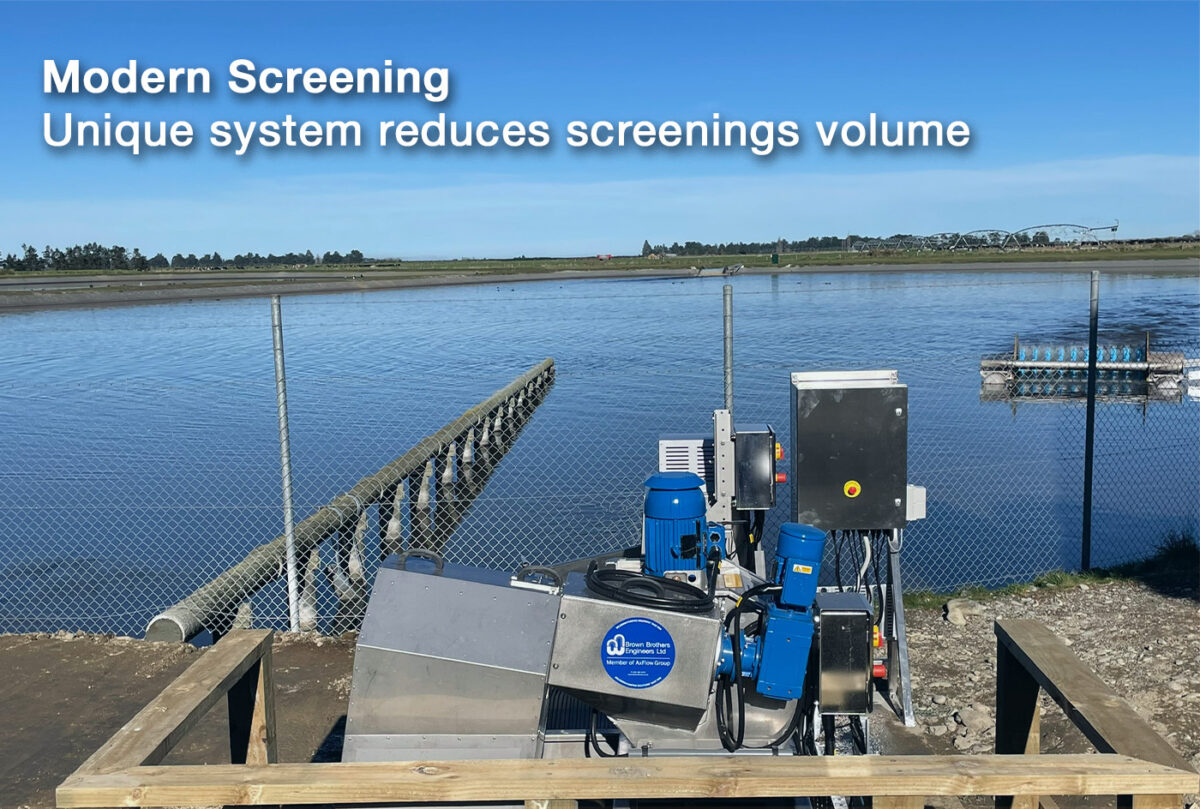
With Methven’s population increasing and further growth expected over the next decade, the local wastewater treatment plant required an inlet screening solution capable of handling higher flows and reducing the burden of screenings disposal. Brown Brothers Engineers supplied a Haigh ACE 491 Screener to improve screening capacity, reduce waste volume destined for landfill and simplify disposal for site operators.
As communities grow, wastewater infrastructure needs to scale with them. For Methven, this included an upgrade to the incoming gravity sewer, increasing the pipe diameter from DN225 to DN375 and raising the potential inflow to the wastewater treatment plant.
The inlet screening upgrade formed part of wider improvements at Methven Wastewater Treatment Plant, as local wastewater infrastructure is upgraded to support the township’s growth and future needs.
At the same time, wastewater treatment plants are generally facing more challenging inlet conditions, with non-flushable items such as wipes, rags and plastics placing added strain on screens, pumps and downstream processes.
A growing screenings burden
The existing screw screen at the Methven Wastewater Treatment Plant had been in service for some time. With the incoming gravity sewer upgraded to DN375 and higher flows entering the plant, the existing screen no longer had sufficient capacity for current operating conditions. During higher inflow periods, excess flows could pool and stagnate beneath the emergency bar screen.

Alongside the capacity limitations, the ageing screen also created ongoing operational challenges. The unit used brush bristles mounted to the screw flights to help keep the perforated screen surface clear; however, the brush bristles were difficult to replace and no longer performing effectively. Screenings were also pin-holing through the 6 mm curved screen plate, causing premature blinding, increased headloss and backing-up within the gravity inlet pipe.
The screenings end-product was also wet, heavy and organics-laden, with up to six 240 L large wheelie bins having to be removed from site every eight weeks. This material then had to be transported to a larger wastewater treatment plant for further processing, creating a significant handling and disposal burden for site operators.
Methven required a screening solution that could match the upgraded inlet capacity while reducing the volume of wet, organics-laden screenings requiring handling, transport and further processing.

Reduced screenings volume without external washwater
Brown Brothers Engineers supplied a Haigh ACE 491 Screener, with a capacity of 50 L/s.
Designed specifically for wastewater inlet screening applications, the Haigh ACE Screener combines screening, maceration, dewatering and compaction in a single system. The unit is designed to reduce original screenings volume by up to 94% by macerating captured solids, dewatering and compressing the residual material into a compact plug, while returning biomass to the treatment stream.
Unlike many wastewater screening systems, the Haigh ACE Screener requires no external washwater or re-use filtered washwater to wash screenings. Instead, it uses influent within the process to transfer macerated screenings liquor to the centrifuge/dewatering station, where biomass is removed and decanted back downstream of the screen for further treatment. This helps reduce site service requirements and supports lower water use, while producing a drier, lower-volume end-product for disposal.
From six wheelie bins to one 120 L bag
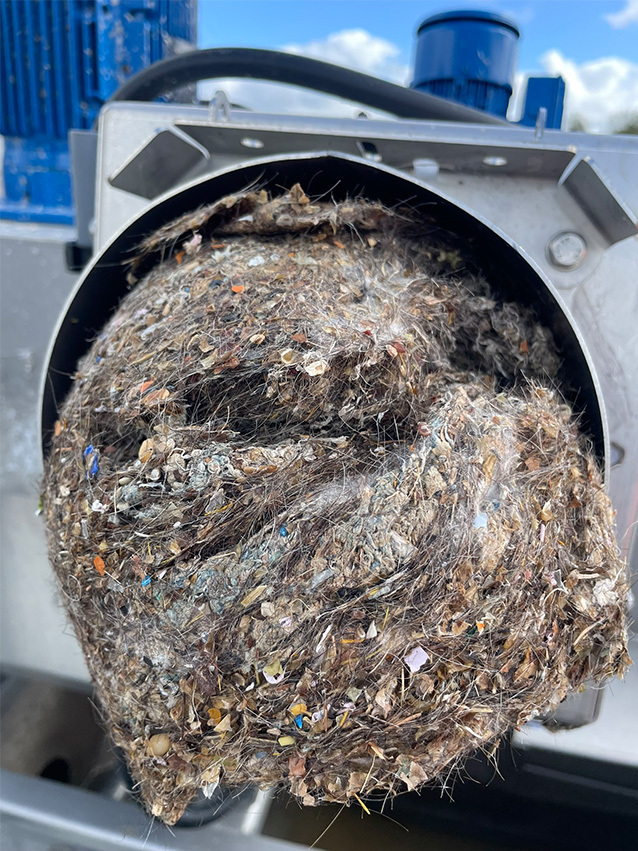
Since installation, the reduction in screenings volume has been significant. Screenings that previously filled up to six 240 L large wheelie bins and required transport to another wastewater treatment plant for further processing are now reduced to a single small domestic sized 120 L bag, replaced every 10-12 weeks.
The Haigh end-product is 98% free of organics, with the residual compacted plug achieving 40% dry solids. Compared with the wet, organics-laden material produced by
the previous screen, the plug is cleaner, lower in volume and better suited to landfill disposal, with the volume sent to landfill reduced to around one-sixth of the previous output. As a result, the material no longer needs to be transported to another wastewater treatment plant for further processing.
With fewer screenings to manage, the ACE Screener has simplified day-to-day operation for site operators while reducing manual handling and transport requirements. Because the ACE Screener requires no external washwater, the system also avoids adding washwater demand to the site.
Overall, the upgrade supports a cleaner and more efficient inlet works operation that is better aligned with Methven’s current flows and expected future demand.